Introduction
The decision to choose a career in the healthcare sector is an exciting one. The healthcare domain offers diverse career opportunities beyond those of doctors and nurses. Education in this sector is categorized into clinical and non-clinical courses. Clinical medical courses primarily focus on diagnosing, treating, and caring for patients, i.e., directly concerned with patient care, whereas non-clinical courses don’t involve direct interaction with patients, but are centered around teaching, research, lab work, management, and administration.
Students aspiring to enter the healthcare domain often face a dilemma when choosing between clinical and non-clinical courses. However, understanding the difference between these two courses will help students make informed decisions.
In this blog, we explore the differences between clinical and non-clinical courses, including eligibility, career opportunities, and salary prospects, to help students choose the right career path.
Clinical Medical Courses- An Overview
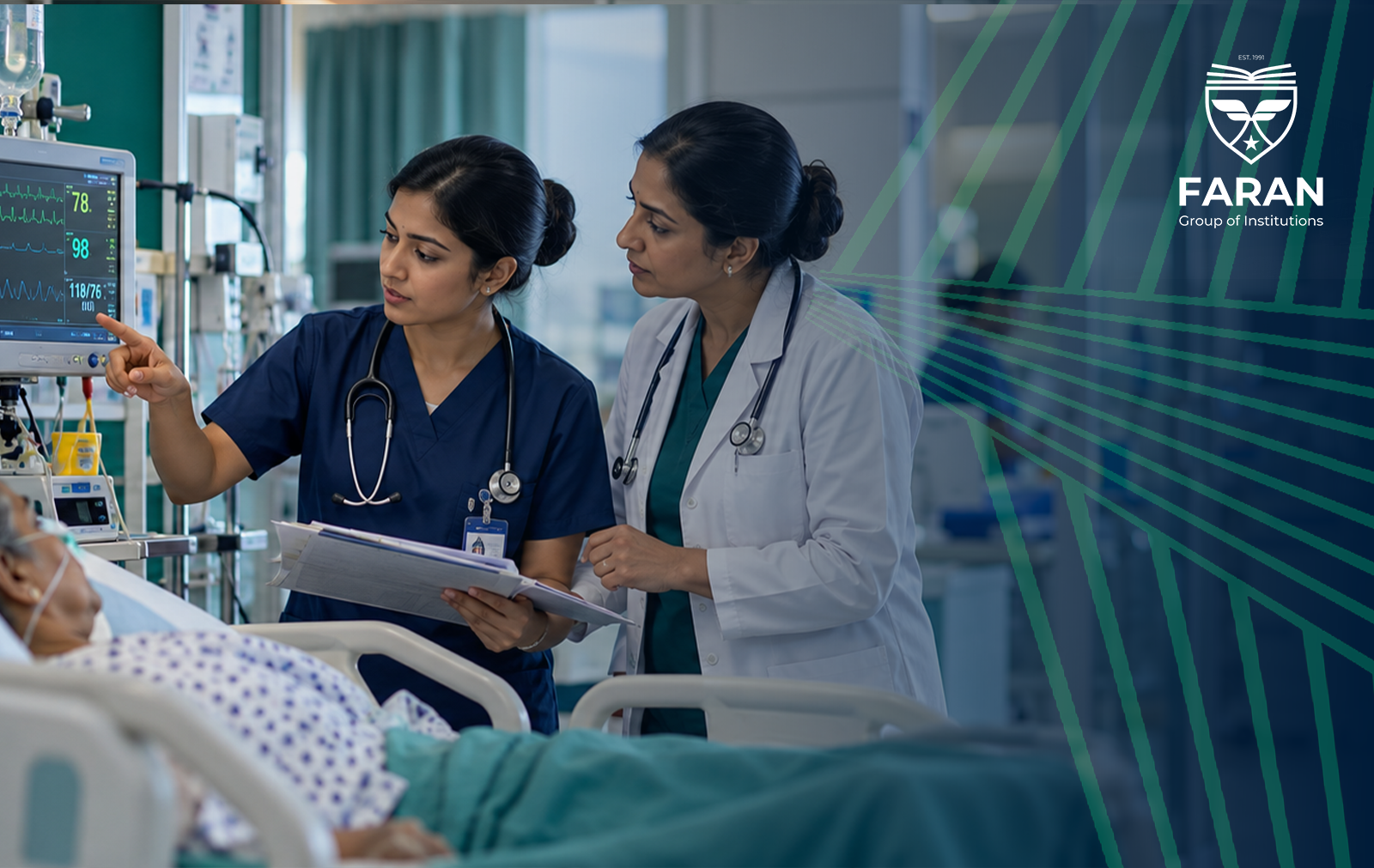
Clinical medical courses are related to direct patient care, which includes diagnoses and treatment. Students getting enrolled to this course get practical training to handle patients in real-time in various medical settings. However, this course combines foundational medical theory along with practical and hands-on training.
After completion of clinical medical courses, professionals are capable of handling and examining patients, diagnosing illness, recommending appropriate treatment, and monitoring their recovery process.
Clinical courses are indeed a great career choice for people who enjoy interacting with people, providing care, and thriving in a high-paced environment.
Key features
- Involves direct interaction with patients
- Requires extensive clinical and hands-on training
- Focus on illness diagnosis and treatment
- Internships and hospital postings
- Involves night shift and emergency responsibilities
Eligibility Criteria
The eligibility criteria for clinical medical courses vary from one course to another, but the basic requirements remain the same.
Common requirements include-
- Completion of 12th Science (PCB)
- Minimum aggregate marks as specified by institutions
- Minimum 17 years of age
- Entrance exam for certain clinical courses- For example: NEET for MBBS, BDS, BHMS, BAMS, and others.
List of clinical medical courses
- MBBS
- BDS
- BHMS/BAMS
- Bachelor of Physiotherapy (BPT)
- Bachelor of Occupational Therapy (BOT)
- BSc Medical Imaging Technology/Radiology
- MD (Doctor of Medicine)
- MS (Master of Surgery)
- BSc in Nursing
Non-Clinical Medical Courses- An Overview
Non-clinical medical courses majorly focus on research activities, support services, and management systems within the healthcare sector. Though these courses don’t involve direct contact with patients at their bedside, they play a crucial role in enhancing efficiency of the healthcare system, hospital activities, such as innovation, transformational policies, and organizational management.
These non-clinical medical courses are popular amongst the medical professionals looking for a better work-life balance and regular working hours.
Key features
- Limited/No direct patient interaction
- Regular working hours for most roles
- Opportunities in the corporate sector
- Focus on administration, technology, management, and support services
- Research oriented and office-based work environment
Eligibility criteria
Most non-clinical medical courses have more flexible admission eligibility requirements.
Common requirements include-
- Completion of 12th from a recognized board of education
- Science stream students are preferred for specific courses
- Management programs accept students from all streams
- Entrance exams (If applicable and it depends on the institution as well)
- NEET is not required for non-clinical courses
List of non-clinical medical courses
- Bachelor of Hospital Administration (BHA)
- Bachelor of Hospital Management (BHM)
- Biotechnology
- Bioinformatics
- Medical Writer
- Medical Coding and Billing
- Pharmaceutical Management
- Medical Transcription
Difference between Clinical and Non-Clinical Medical Courses
| Differential features | Clinical Medical Courses | Non-Clinical Medical Courses |
| Patient interaction | Direct and regular patient interaction | Minimal interaction |
| Major emphasis | Patient illness diagnoses, treatment, and monitoring recovery | Management, research, and administration |
| Hands-on training | Extensive clinical training | Research-based/administrative level training |
| Emergency responsibilities | On a regular basis | Occasionally |
| Work-life balance | Includes rotational shifts, night duties, weekends, holidays, and emergencies. The work schedule is highly demanding | Typically, a fixed schedule with fewer emergencies provides a predictable work-life balance |
| Job stress | Usually involves a higher level of stress due to patient care responsibilities | Depends on the job role |
| Career growth opportunities | Medical practice and specialization | Leadership and management roles |
| Higher education opportunities | MD, MS, MDS, DM, MSc in Nursing, fellowships, clinical specializations, and more | PhD programs, MBA in Hospital Management, Master of Public Health, MSc in Biotechnology |
| Salary Prospects | These courses have higher earning potential, especially after gaining clinical experience and specialization. | Provide competitive salaries. Growth is directly connected to leadership and managerial roles. |
Career Opportunities in Clinical Medical Courses
- Doctors
- Nurses
- Physiotherapists
- Radiology Technologists
- Emergency Care Specialists and more
Career Opportunities in Non-Clinical Medical Courses
- Hospital Administration
- Hospital Management
- Medical Coder
- Clinical Research Associate
- Healthcare Consultant
- Medical Writer
- Health Information Manager
- Public Health Professional
- Healthcare Data Analyst
- Public Health Analyst
- Healthcare Quality Manager
- Medical Informatics Specialist
- Regulatory Affairs Associate
Clinical vs Non-Clinical Medical Courses- Which is Better?
Both course pathways have diverse career opportunities going ahead and are appropriate for various types of students.
Choose clinical medical courses, if:
- You are passionate about working with patients.
- You are prepared to handle stressful situations.
- You are interested in diagnosing and treating illness.
- You prefer hands-on healthcare job roles.
Choose non-clinical medical roles, if:
- You seek medical careers with limited patient interaction.
- You are looking for opportunities in the healthcare business sectors.
- You prefer research, management, administration, and technology.
Conclusion
Both clinical and non-clinical medical courses are crucial to the healthcare sector. Neither is inherently superior than the other. But the primary distinction between the two lies in their nature of work:
- Clinical courses emphasize direct patient care, diagnosis, and providing appropriate treatment.
- Non-clinical courses emphasize healthcare management, administration, technology, research, and other healthcare support services.
As the healthcare sector evolves, both clinical and non-clinical professionals play a vital role in improving healthcare, patient outcomes, and contributing to a stronger healthcare system globally.