Students interested in healthcare careers after Class 12 often consider Bachelor of Physiotherapy (BPT) and Bachelor of Science in Nursing (B.Sc Nursing). Both are undergraduate healthcare courses that involve theoretical learning, practical training and direct patient interaction.
However, the two courses prepare students for different professional responsibilities.
BPT focuses on physical rehabilitation, movement and functional recovery, while B.Sc Nursing focuses on patient care, clinical monitoring and nursing management.
When comparing BPT vs B.Sc Nursing, the better choice depends on your interests, preferred working environment, skills and long-term career goals.
What Is BPT?
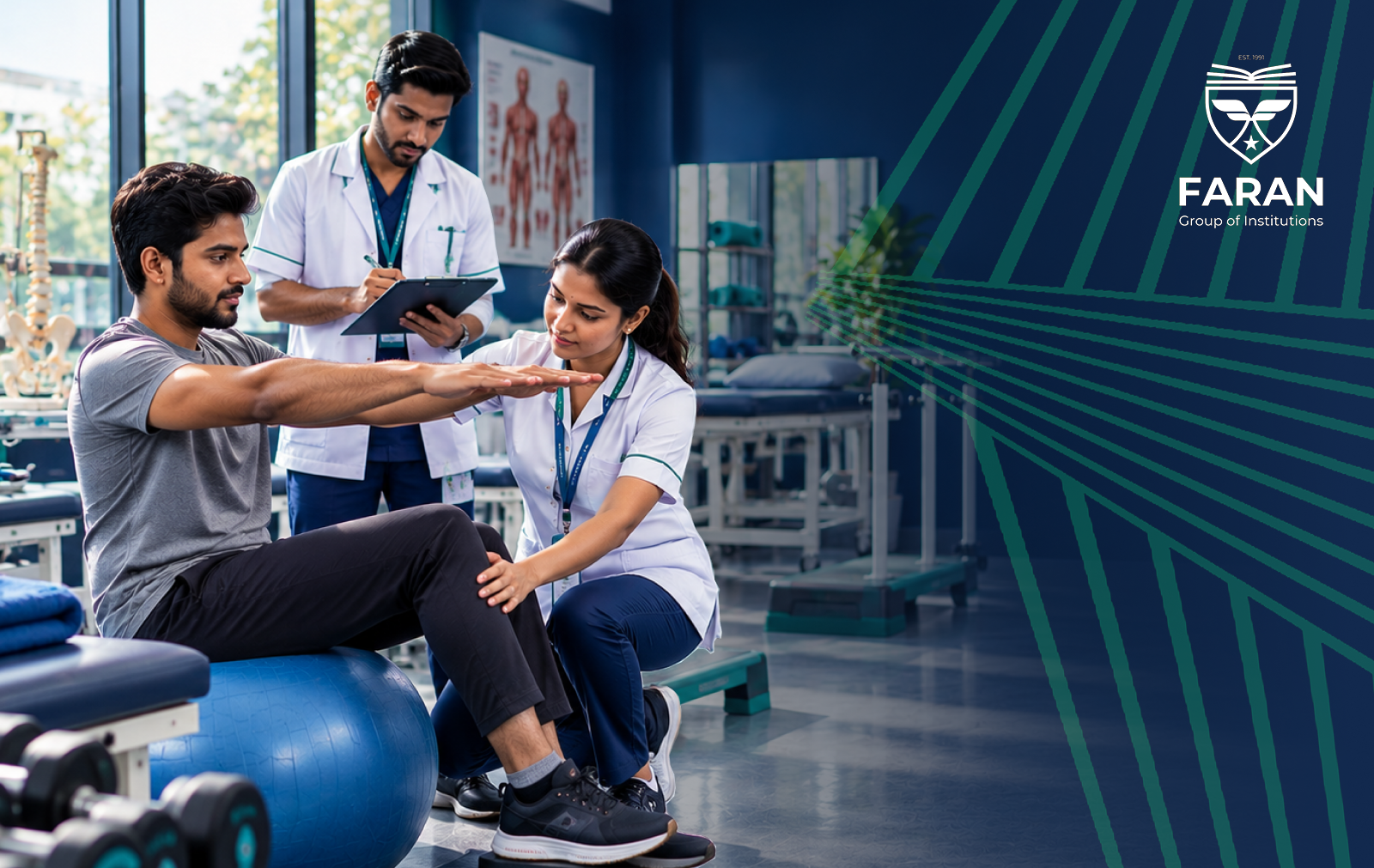
Bachelor of Physiotherapy (BPT) is an undergraduate healthcare degree that focuses on physical movement, functional ability and rehabilitation.
The course teaches students how to assess movement-related problems and understand physiotherapy interventions for patients affected by injuries, illnesses, disabilities or physical limitations.
BPT students study human anatomy, physiology, biomechanics, exercise therapy and rehabilitation techniques. They also participate in supervised clinical training to understand how physiotherapy principles are applied in patient care.
Physiotherapists may work in hospitals, rehabilitation centres, physiotherapy clinics, sports facilities and community healthcare settings.
What Is B.Sc Nursing?
Bachelor of Science in Nursing (B.Sc Nursing) is a four-year undergraduate degree that prepares students for professional nursing practice.
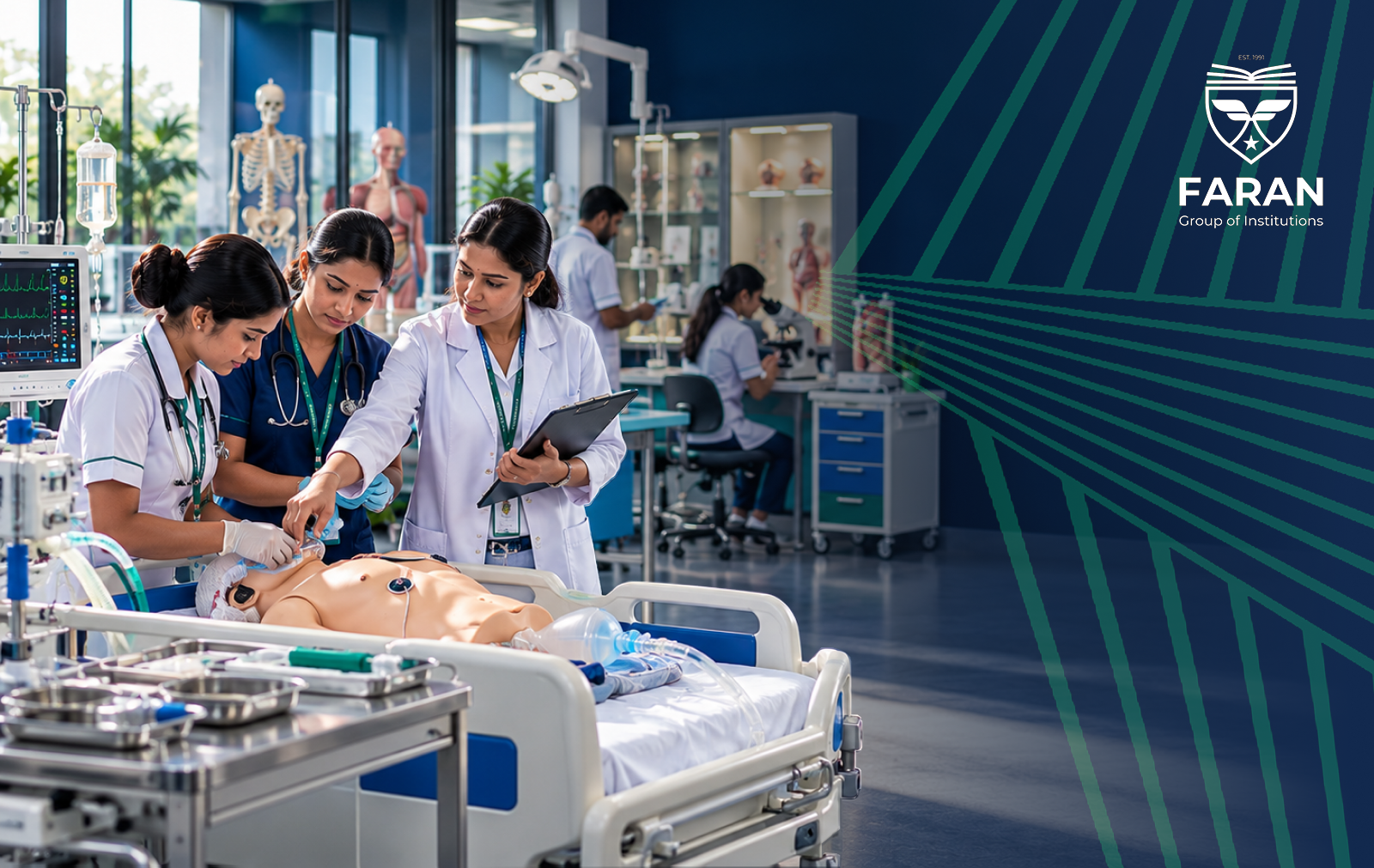
The course focuses on patient assessment, nursing procedures, health monitoring, disease prevention, patient education and recovery support.
Students receive theoretical education and supervised clinical training across different healthcare departments.
After completing the programme and meeting applicable registration requirements, graduates can pursue nursing roles in hospitals, clinics, community health centres and other healthcare settings.
BPT vs B.Sc Nursing: Key Differences
The following table highlights the major differences between BPT and B.Sc Nursing.
| Particulars | BPT | B.Sc Nursing |
| Full Form | Bachelor of Physiotherapy | Bachelor of Science in Nursing |
| Course Level | Undergraduate | Undergraduate |
| Course Duration | Traditionally 4.5 Years, With a Revised 5-Year Curriculum | 4 Years |
| Primary Focus | Physical Rehabilitation and Movement | Patient Care and Nursing Practice |
| Main Subjects | Biomechanics, Exercise Therapy and Rehabilitation | Nursing Foundations, Medical-Surgical Nursing and Community Health |
| Practical Training | Physiotherapy and Rehabilitation | Nursing Procedures and Clinical Care |
| Career Path | Physiotherapist | Registered Nurse, Subject to Registration Requirements |
| Work Environment | Hospitals, Clinics, Rehabilitation and Sports Centres | Hospitals, Clinics and Community Healthcare Settings |
| Higher Education | MPT | M.Sc Nursing |
Both courses offer opportunities to work directly with patients, but their professional objectives and methods of care are different.
BPT vs B.Sc Nursing: Eligibility Criteria
Both courses generally require students to complete Class 12 with science subjects. However, minimum marks and admission requirements may differ.
BPT Eligibility Criteria
- Completion of Class 12 or an equivalent examination from a recognised board.
- Physics, Chemistry and Biology as required subjects.
- A minimum of 50% marks in the required science subjects under the revised physiotherapy curriculum framework.
- Fulfilment of applicable entrance examination and university admission requirements.
B.Sc Nursing Eligibility Criteria
- Completion of Class 12 with Physics, Chemistry, Biology and English.
- A minimum of 45% marks under the general eligibility criteria.
- A minimum age of 17 years by 31 December of the admission year.
- Fulfilment of medical fitness and applicable entrance examination requirements.
These general nursing requirements are outlined in the Indian Nursing Council’s eligibility criteria.
Students should verify current admission notifications because category-based relaxations, entrance requirements and university-specific conditions may differ.
BPT vs B.Sc Nursing: Course Duration and Curriculum
BPT Course Duration and Subjects
BPT has traditionally been offered as a four-and-a-half-year programme, including six months of clinical internship.
However, the revised competency-based physiotherapy curriculum provides for a five-year programme, including a one-year internship. Students should confirm which curriculum applies to their admission batch.
Common BPT subjects include:
- Human Anatomy
- Human Physiology
- Biomechanics
- Exercise Therapy
- Electrotherapy
- Musculoskeletal Physiotherapy
- Neurological Physiotherapy
- Cardiopulmonary Physiotherapy
- Community-Based Rehabilitation
The curriculum emphasises movement assessment, physical function and rehabilitation.
B.Sc Nursing Course Duration and Subjects
B.Sc Nursing is a four-year undergraduate programme that combines academic subjects, practical learning and clinical experience.
Common subjects include:
- Anatomy and Physiology
- Nursing Foundations
- Applied Nutrition and Dietetics
- Pharmacology
- Adult Health Nursing
- Child Health Nursing
- Mental Health Nursing
- Community Health Nursing
- Midwifery and Obstetrical Nursing
- Nursing Research and Statistics
The curriculum focuses on developing nursing knowledge and clinical competencies across different areas of healthcare.
BPT vs B.Sc Nursing: Career Opportunities
Career opportunities are an important consideration when choosing between physiotherapy and nursing.
Career Opportunities After BPT
BPT graduates may pursue professional opportunities in areas such as:
- Clinical Physiotherapy
- Rehabilitation Services
- Sports Physiotherapy
- Orthopaedic Rehabilitation
- Neurological Rehabilitation
- Community Physiotherapy
- Elderly Care and Rehabilitation
Physiotherapists may also explore independent practice after meeting applicable professional, registration and legal requirements.
Some specialised positions may require additional training, postgraduate qualifications or relevant experience.
Career Opportunities After B.Sc Nursing
B.Sc Nursing graduates may pursue roles in areas such as:
- Critical Care Nursing
- Emergency Nursing
- Operation Theatre Nursing
- Paediatric Nursing
- Community Health Nursing
- Mental Health Nursing
- Oncology Nursing
The different types of nursing jobs in hospitals involve varying clinical responsibilities, patient populations and specialised skills.
With relevant experience and additional qualifications, nurses may also progress towards supervisory, educational, research or administrative positions.
Actual career eligibility depends on professional registration, competence and employer requirements.
BPT vs B.Sc Nursing: Salary and Career Growth
Neither BPT nor B.Sc Nursing guarantees a higher salary. Earnings depend on several professional and employment-related factors.
These include:
- Professional Experience
- Type of Healthcare Institution
- Job Location
- Clinical Specialisation
- Additional Qualifications
- Professional Skills
- Level of Responsibility
BPT graduates may develop their careers through specialised rehabilitation services, clinical experience and independent practice where permitted.
B.Sc Nursing graduates may progress through specialised clinical roles, nursing supervision, education and healthcare management.
Students should avoid choosing a course solely based on advertised salary figures. Actual earnings can vary considerably between employers, locations and professional roles.
Higher Education Opportunities After BPT and B.Sc Nursing
Both courses offer opportunities for postgraduate education and professional development.
Higher Education After BPT
BPT graduates can pursue a Master of Physiotherapy (MPT), subject to applicable eligibility requirements.
Common specialisation areas include:
- Orthopaedic Physiotherapy
- Neurological Physiotherapy
- Sports Physiotherapy
- Cardiopulmonary Physiotherapy
- Paediatric Physiotherapy
Postgraduate education can support advanced clinical knowledge, research and academic development.
Higher Education After B.Sc Nursing
Eligible B.Sc Nursing graduates can pursue M.Sc Nursing after meeting applicable academic, registration and work experience requirements.
Common specialisation areas include:
- Medical-Surgical Nursing
- Child Health Nursing
- Mental Health Nursing
- Community Health Nursing
- Obstetric and Gynaecological Nursing
Both qualifications may also provide pathways towards research, healthcare administration and other related postgraduate programmes, depending on individual eligibility.
BPT vs B.Sc Nursing: Which Is Better?
BPT is a suitable choice for students interested in physical rehabilitation, human movement and exercise-based interventions. B.Sc Nursing is a suitable choice for students interested in comprehensive patient care, clinical monitoring and nursing procedures.
Choose BPT If:
- You Are Interested in Human Movement and Physical Function.
- You Enjoy Learning About Exercise and Rehabilitation.
- You Want to Help Patients Improve Mobility and Functional Independence.
- You Are Interested in Physiotherapy Clinics, Rehabilitation Centres or Sports Healthcare.
- You Want to Develop Specialised Physiotherapy Skills.
Choose B.Sc Nursing If:
- You Are Interested in Direct Patient Care.
- You Want to Learn Nursing Procedures and Clinical Monitoring.
- You Enjoy Working as Part of a Multidisciplinary Healthcare Team.
- You Are Interested in Hospital Departments and Community Healthcare.
- You Want to Explore Specialised Clinical Nursing Roles.
Students should also consider working conditions. Hospital nursing may involve rotating shifts, night duties and emergency responsibilities. Physiotherapy working hours vary depending on the clinical setting, employer and patient appointments.
Understanding the everyday responsibilities of both professions can help students make a more informed decision.
Conclusion
When comparing BPT vs B.Sc Nursing, neither course is universally better than the other. Both provide distinct pathways into healthcare and involve practical learning, patient interaction and professional responsibilities.
BPT focuses on restoring movement, improving physical function and supporting rehabilitation. B.Sc Nursing focuses on patient care, clinical observation, nursing interventions and recovery support.
The right course depends on your interests, abilities, preferred work environment and long-term career objectives.
Rather than choosing a course based only on salary, popularity or recommendations from others, consider which profession aligns more closely with the type of healthcare work you want to pursue.