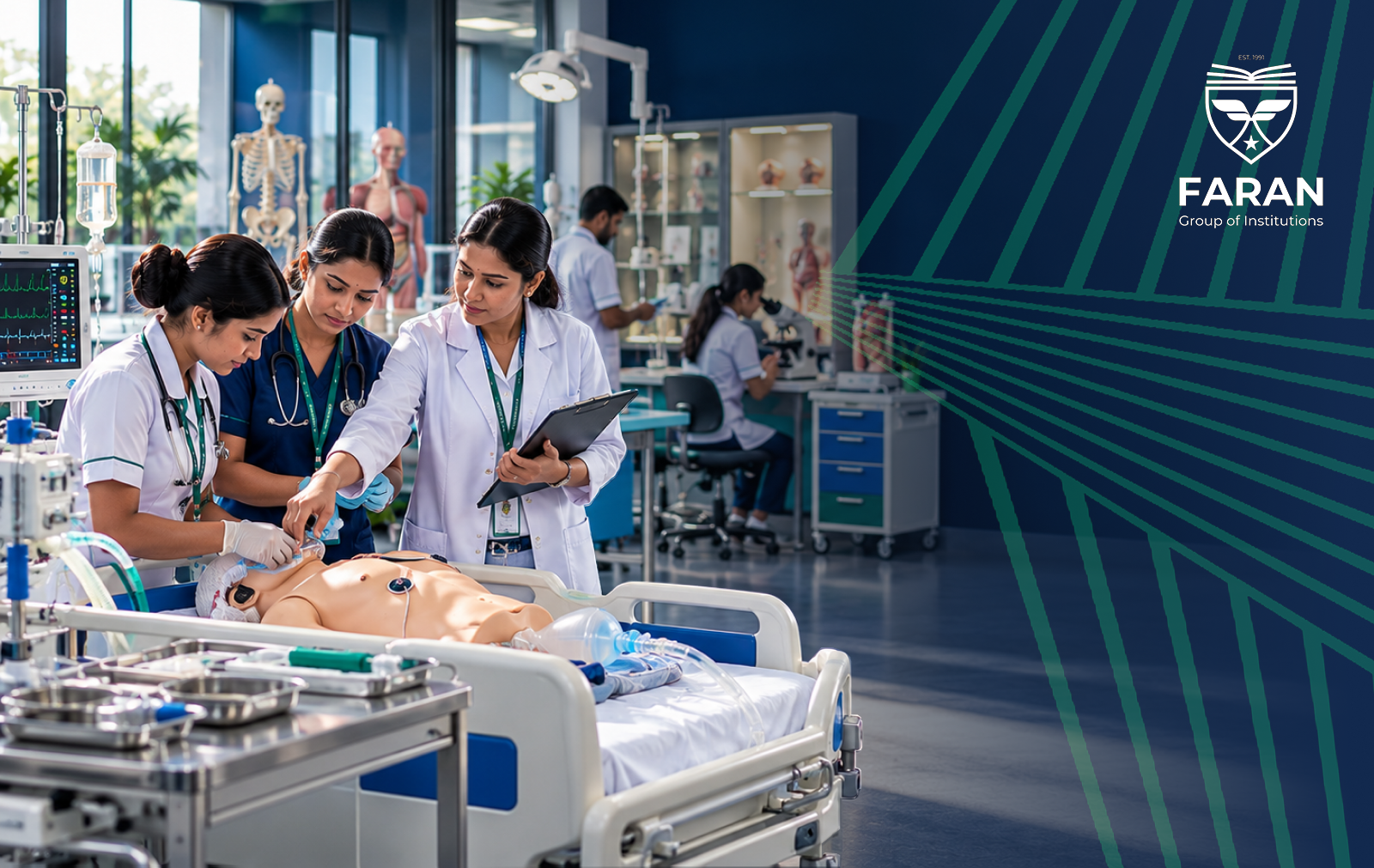
Physiotherapy education combines theoretical knowledge with practical skills. Students learn about human anatomy, movement, rehabilitation techniques and patient assessment. However, understanding these subjects in a classroom is different from applying them in a clinical environment.
This is why internships are important for BPT students. Clinical internships provide opportunities to observe experienced physiotherapists, interact with patients and apply academic knowledge under appropriate supervision.
For students preparing to complete their Bachelor of Physiotherapy (BPT), understanding the purpose of an internship can help them approach clinical training with clearer learning goals.
What Is a BPT Internship?
A BPT internship is a structured period of supervised clinical training in which physiotherapy students apply their academic knowledge in healthcare settings.
Internships may take place in hospitals, rehabilitation centres, outpatient departments or community healthcare settings, depending on the approved training programme.
Students participate in clinical activities under the guidance of qualified professionals. Their responsibilities depend on their training, competence, and the rules of the institution.
In India, the National Commission for Allied and Healthcare Professions (NCAHP) introduced a competency-based physiotherapy curriculum in 2025. Its framework includes a structured clinical internship. Students should confirm the applicable internship duration and requirements with their university because older and newer curricula differ.
Why Are Internships Important for BPT Students?
Internships help students move from understanding physiotherapy concepts to applying them in real clinical situations.
1. Connect Classroom Knowledge With Clinical Practice
BPT students study subjects such as anatomy, physiology, biomechanics, exercise therapy, and rehabilitation.
During internships, they can observe how these concepts relate to patient conditions and treatment planning.
For example, knowledge of joint movement becomes more meaningful when students observe how a physiotherapist assesses restricted mobility.
This connection helps students understand the practical relevance of their academic learning.
2. Develop Patient Assessment Skills
Patient assessment is an important part of physiotherapy practice.
During supervised clinical training, students may learn how physiotherapists:
- Collect Relevant Patient Information
- Observe Posture and Movement
- Assess Joint Mobility
- Evaluate Muscle Function
- Identify Functional Limitations
- Record Assessment Findings
These experiences help students understand that physiotherapy assessment involves more than identifying symptoms. It requires considering the patient’s condition, functional abilities and individual needs.
3. Improve Clinical Reasoning
Clinical reasoning involves interpreting patient information and deciding what it may mean for assessment and treatment.
During internships, students encounter situations that may not follow the straightforward examples found in textbooks.
They learn to consider questions such as:
- What Is the Patient’s Main Functional Problem?
- Which Assessment Findings Are Relevant?
- What Information Is Still Missing?
- What Are the Appropriate Treatment Goals?
- When Should I Seek Guidance?
Supervised case discussions can help students understand how experienced physiotherapists approach these questions.
4. Strengthen Patient Communication
Physiotherapy often involves repeated patient interactions.
Students need to learn how to explain activities clearly, listen to concerns, and communicate respectfully.
Clinical internships provide opportunities to develop communication skills with patients of different ages, backgrounds, and physical abilities.
Effective communication also involves understanding patient preferences, maintaining professional boundaries and recognising when further clarification is necessary.
5. Build Confidence Through Supervised Practice
Students may initially feel uncertain when interacting with patients or performing unfamiliar clinical tasks.
Internships provide structured opportunities to practise appropriate skills, receive feedback and gradually improve.
Confidence should develop alongside competence. Students must recognise their limitations and avoid attempting procedures beyond their authorised responsibilities.
6. Understand Professional Responsibilities
Clinical practice involves responsibilities that extend beyond technical treatment skills.
Internships introduce students to professional expectations such as:
- Maintaining Patient Confidentiality
- Obtaining Appropriate Consent
- Following Infection Prevention Measures
- Keeping Accurate Clinical Records
- Respecting Patient Dignity
- Communicating With Healthcare Teams
- Following Institutional Procedures
These responsibilities are essential for safe and ethical physiotherapy practice.
7. Explore Different Physiotherapy Specialties
Clinical rotations may expose students to different areas of physiotherapy.
This can help them understand how assessment and rehabilitation approaches vary across patient populations.
Such exposure may also help students identify areas they want to explore further through clinical experience or postgraduate education.
Skills Developed During Physiotherapy Internships
The benefits of physiotherapy internships include opportunities to develop both clinical and professional skills.
| Skill | How Internship Experience Can Help |
| Patient Assessment | Understanding how to gather and interpret clinical information |
| Clinical Reasoning | Connecting assessment findings with treatment goals |
| Communication | Explaining activities and responding to patient concerns |
| Documentation | Learning appropriate clinical record-keeping |
| Teamwork | Coordinating with physiotherapists and other healthcare professionals |
| Time Management | Understanding clinical schedules and patient-care priorities |
| Professional Ethics | Applying confidentiality, consent and professional boundaries |
| Reflective Learning | Identifying strengths and areas requiring improvement |
Students develop these skills at different rates. Progress depends on supervision, learning opportunities, feedback and active participation.
Clinical Areas BPT Students May Experience
Depending on the approved internship structure, students may receive supervised exposure to several physiotherapy specialties.
Musculoskeletal and Orthopaedic Physiotherapy
This area focuses on conditions affecting muscles, bones, joints and related structures.
Students may observe assessment and rehabilitation approaches for movement limitations, injuries and postoperative recovery.
Neurological Physiotherapy
Neurological physiotherapy involves rehabilitation for people with conditions affecting the nervous system.
Students may learn about balance, coordination, mobility and functional rehabilitation.
Cardiopulmonary Physiotherapy
This area involves physiotherapy for patients with cardiovascular or respiratory conditions.
Students may observe breathing exercises, mobilisation techniques and rehabilitation activities appropriate to the clinical setting.
Paediatric Physiotherapy
Paediatric physiotherapy focuses on infants, children and adolescents with movement or developmental needs.
Students can learn how assessment, communication and treatment approaches differ for younger patients.
Community Physiotherapy
Community-based placements may introduce students to rehabilitation outside conventional hospital departments.
These experiences can help students understand accessibility, disability, prevention and rehabilitation needs in different communities.
The exact departments and duration of clinical rotations depend on the applicable curriculum and institutional arrangements.
Common Challenges During BPT Internships
Internships provide valuable learning opportunities, but students may encounter difficulties.
Common challenges include:
- Adjusting to Clinical Schedules
- Communicating With Unfamiliar Patients
- Understanding Complex Clinical Cases
- Applying Classroom Knowledge
- Managing Documentation
- Responding to Constructive Feedback
- Recognising Professional Limitations
Students should discuss uncertainties with their supervisors rather than attempting to resolve unfamiliar clinical situations independently.
Challenges can become learning opportunities when students receive appropriate guidance and reflect on their experiences.
How to Make the Most of a BPT Internship
A productive internship requires more than attending assigned clinical sessions.
Students can approach clinical training through a few practical habits.
Prepare Before Clinical Postings
Review the relevant anatomy, assessment principles and rehabilitation concepts associated with the assigned department.
Observe Experienced Physiotherapists
Pay attention to how supervisors assess patients, explain treatment plans and modify activities according to patient needs.
Ask Relevant Questions
When a clinical decision is unclear, ask your supervisor to explain the reasoning behind it.
Maintain Clinical Records
Complete required logbooks, case reports and other documentation according to institutional instructions while protecting patient confidentiality.
Accept Feedback
Feedback helps students recognise mistakes and identify areas requiring further practice.
Reflect on Learning Experiences
After a clinical session, consider what you learned, what remained unclear and what you should review before the next posting.
Access to suitable learning environments also matters. The importance of practical facilities and supervision is discussed in the context of well-equipped campuses in medical education, where laboratories, clinical learning spaces and teaching resources support hands-on education.
Conclusion
Internships matter for BPT students because they connect academic knowledge with supervised clinical experience.
Internships help students develop patient assessment, communication, clinical reasoning, documentation, and professional skills. They also provide exposure to different physiotherapy specialties and introduce students to the responsibilities involved in patient care.
However, an internship is a period of learning, not a substitute for professional competence or authorisation to practise independently.
By preparing for clinical postings, seeking guidance, accepting feedback and reflecting on their experiences, BPT students can make better use of their internship and strengthen their foundation for future physiotherapy practice.