Introduction
Are you aware of the importance of educational tours, especially for students? Educational tours bridge the gap between theory and practice by allowing students to explore, observe, and learn in real-world environments. Let’s get into it in detail and understand why it has become an essential part of the modern education system.
Today’s education system is no longer confined to classrooms and textbooks. It extends beyond traditional teaching methods, where students choose interesting ways to learn. As a result, the concept of experiential learning has become a vital aspect of the modern education system, enabling students to learn by combining theoretical and practical experiences.
One of the most effective ways to promote practical learning is through educational tours. In fact, it is an opportunity to explore new places, exposure to different environments, gain valuable life experiences, participate in hands-on learning opportunities, and acquire real-life knowledge beyond the classroom.
This blog aims to explain the importance of educational trips and their role in today’s education system.
What are Educational Tours?
Educational tours are a crucial part of the academic program, organized by educational institutions, to help students gain real-world experience. In fact, these educational field trips are carefully planned well ahead of time, considering specific learning objectives that complement student’s academics.
However, educational excursions allow students to observe the outside world beyond classrooms, encourage them to ask questions, interact with their surroundings, and understand the concepts more effectively.
Types of Educational Tours
Educational tours can include visits to:
- Historical monuments
- Science museums
- Industries and factories
- Government institutions
- Botanical gardens
- Wildlife sanctuaries and national parks
- Universities and research institutions
- Cultural exchange programmes
- International educational tours
- Educational exhibitions and trade fairs
Importance of Educational Tours
Educational excursions play a vital role in the holistic development of students. Here are some of the reasons why educational tours are considered an integral part of today’s education system.
1. Promotes Practical Learning
One of the primary benefits of educational field trips is that they promote practical learning. Students get an opportunity to witness how theoretical concepts are applied in real-life situations, making it easier to understand what they learn in classrooms. Moreover, practical learning improves conceptual learning, develops problem-solving skills, and improves critical thinking.
Example:
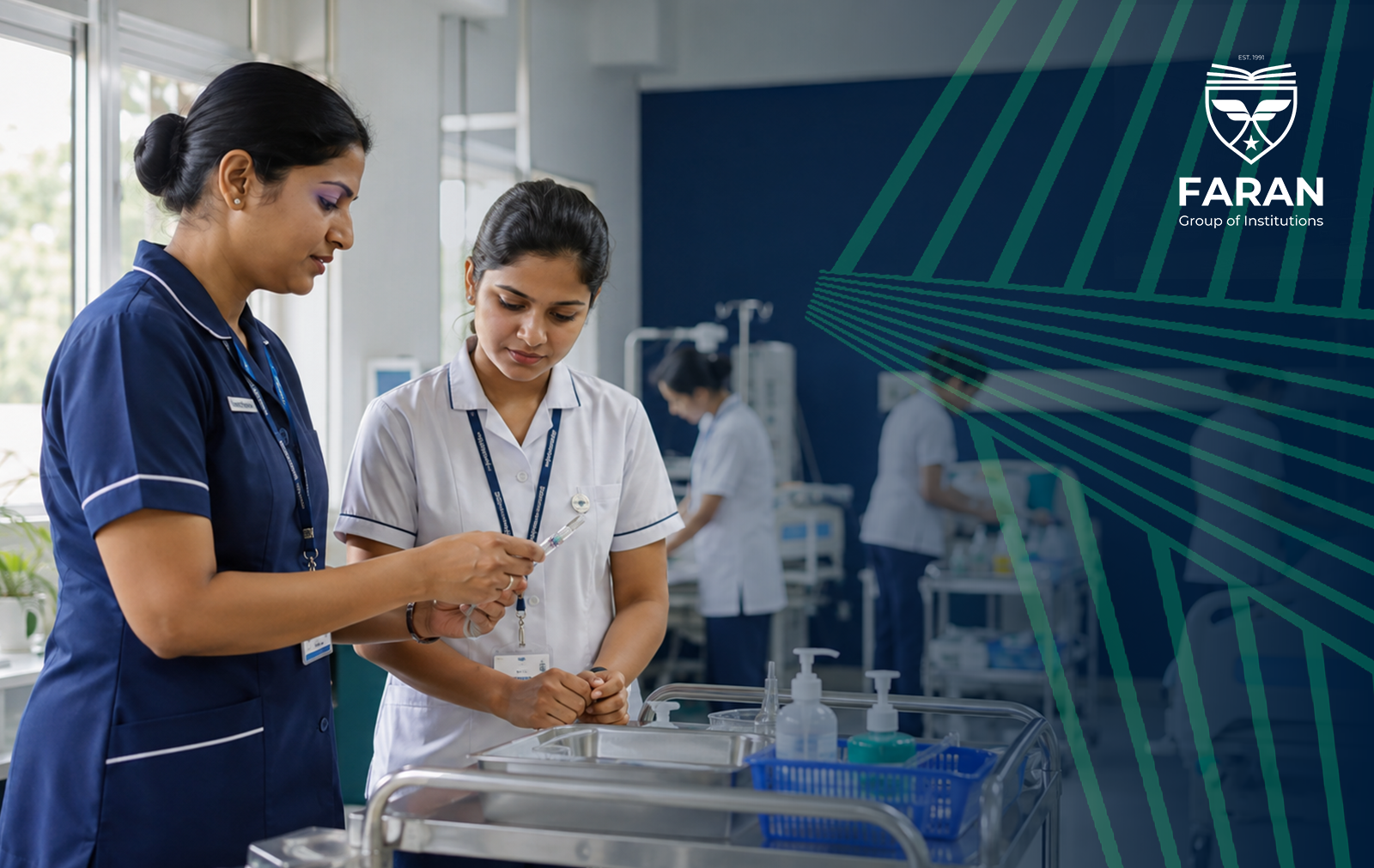
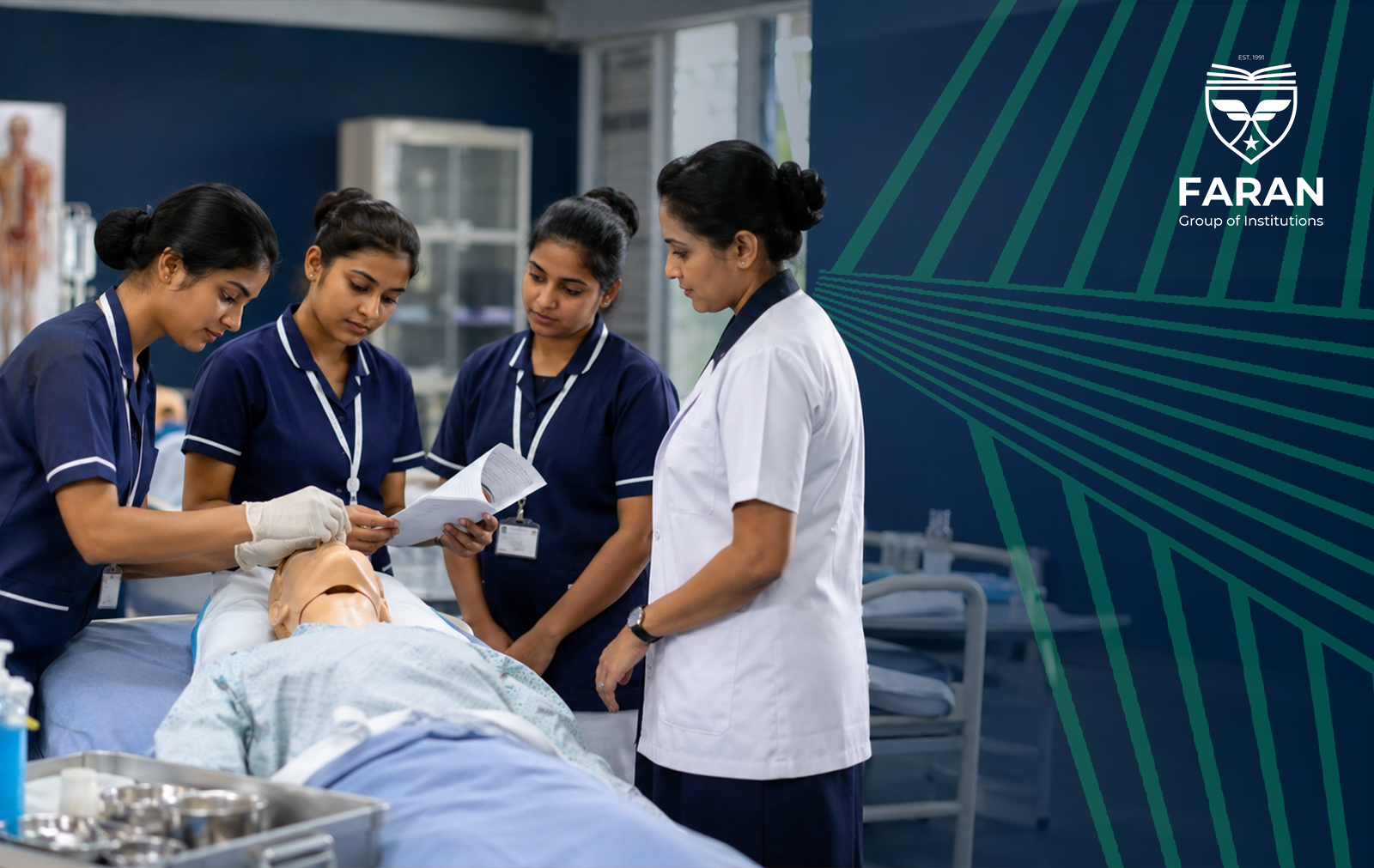
In the nursing domain, classroom learning alone is not sufficient; practical exposure through clinical posting helps students develop communication, leadership and management skills, which are quite essential for a successful career in the nursing domain.
2. Develops Confidence
Stepping beyond familiar surroundings helps students to become independent and self-reliant. During educational tours, they interact with new people, make decisions, adapt to new surroundings, and learn to take responsibility for their actions. They also learn to overcome challenges.
These experiences gradually build self-confidence in students, decision-making skills, and foster a sense of awareness towards society.
3. Develops Critical thinking
Educational tours allow students to:
- Analyse the surrounding situations
- Ask meaningful questions
- Solve practical problems
Furthermore, these activities strengthen critical thinking and decision-making skills that are essential for future careers.
4. Encourages Teamwork
Educational tours provide exciting experiences to students as it involves group activities that encourage cooperation and shared learning experiences. Students not only make new friends and work together as a team, but also learn essential skills, such as:
- Team coordination
- Leadership skills
- Respect for others
- Conflict resolution, and more
Learning to work as a team helps students in developing mutual empathy and respect. As a result, it is helpful in a long-term professional journey.
5. Promotes Cultural Awareness
Visiting cultural festivals, museums, historical places, and heritage sites, helps students appreciate the significance of our diverse cultures.
Such visits enable students to learn:
- Local history
- Architecture
- Art
- Cultural values
- Local traditions
Beyond just learning, an educational tour promotes respect for diverse communities and open-mindedness towards the people surrounding them.
6. Makes Learning Enjoyable
Educational tours combine education, exploration, and enjoyment.
Unlike traditional classroom education, educational tours provide:
- Interactive learning
- Excitement
- Real-life experiences
- A break from monotonous routine
Consequently, students become more enthusiastic about learning.
7. Builds Social Communication Skills
During educational tours, students interact with several individuals, such as teachers, tour guides, fellow students, and industry professionals. These interactions improve listening skills, develop confidence, and improve social communication abilities.
Nevertheless, having good communication is essential both in academics and in professional life.
8. Building Lifelong Memories
Educational tours provide exciting opportunities for students to create lifelong memories. These experiences allow students to make new friends, strengthen their bond with their fellow classmates, and share meaningful moments outside the classroom.
These moments foster lasting friendships and leave a positive impact that students cherish throughout their academic journey and beyond it.
9. Improves Academic Performance
During the educational tour phase, students are exposed to diverse teaching philosophies and discover new perspectives in their respective subjects. Upon returning to classrooms after an educational trip, students return with a greater motivation for their studies. In fact, educational excursions enable students to see, observe, and experience the things that they have learnt in classrooms, making it easier to understand and remember.
Things to Consider While Planning Educational Tours
1. Budget
Cost is the most important thing to consider when planning an educational tour. Ensure the trip remains within the school’s budget.
2. Educational Value
When planning an educational tour, institutions should make it a point to align the tour with the course and curriculum. The goal for the students is to learn and engage with new experiences.
3. Safety
Safety must be the top priority when planning an educational tour. Consider safety measures, like emergency transportation, medical provisions, and accommodations.
4. Teacher Role
The role of teachers during an educational trip and how they contribute to these experiences enhances the overall experience for students. They ensure discipline, encourage participation, explain concepts, and help students connect real-world observations with classroom learning.
5. Length of Tour
Consider the length of the educational trip. Ensure it is manageable for students, parents, and teachers.
6. Students Criteria
While planning an educational trip, take into account the needs and abilities of the students, such as physical limitations, language barriers, and other individual needs.
Final Thoughts
Educational tours are much more than recreational trips. They facilitate powerful learning experiences that help to develop confidence, enhance academic understanding, build leadership skills, and, most importantly, expose students to real-world environments.
Whether in schools/colleges/professional courses, study tours play a vital role in shaping students into confident, knowledgeable, socially responsible individuals, while also making their learning process memorable and enjoyable. Learning beyond the classroom helps students gain life skills and practical knowledge required for academic success and personal growth.
Field trips in education prepare students for real-world challenges by combining education with experience. Schools and colleges should encourage regular educational tours to promote holistic learning and equip students with practical skills for lifelong success.